
Futurecity in the Field: Doha – A City Rebuilt on Art

20 April 2026

Futurecity attended the inaugural Art Basel Qatar in February. The fair itself was impressive, but it was the cultural infrastructure across the wider city that stayed with us. What follows is a set of observations about placemaking beyond the fairground.

Art Basel as Civic Platform The one-artist-per-gallery format shifted the atmosphere immediately. The event felt closer to a curated exhibition than a marketplace – slower, more legible, and noticeably accessible to a broader public. Local and regional galleries were strongly represented, and the event operated with a clear educational ambition.

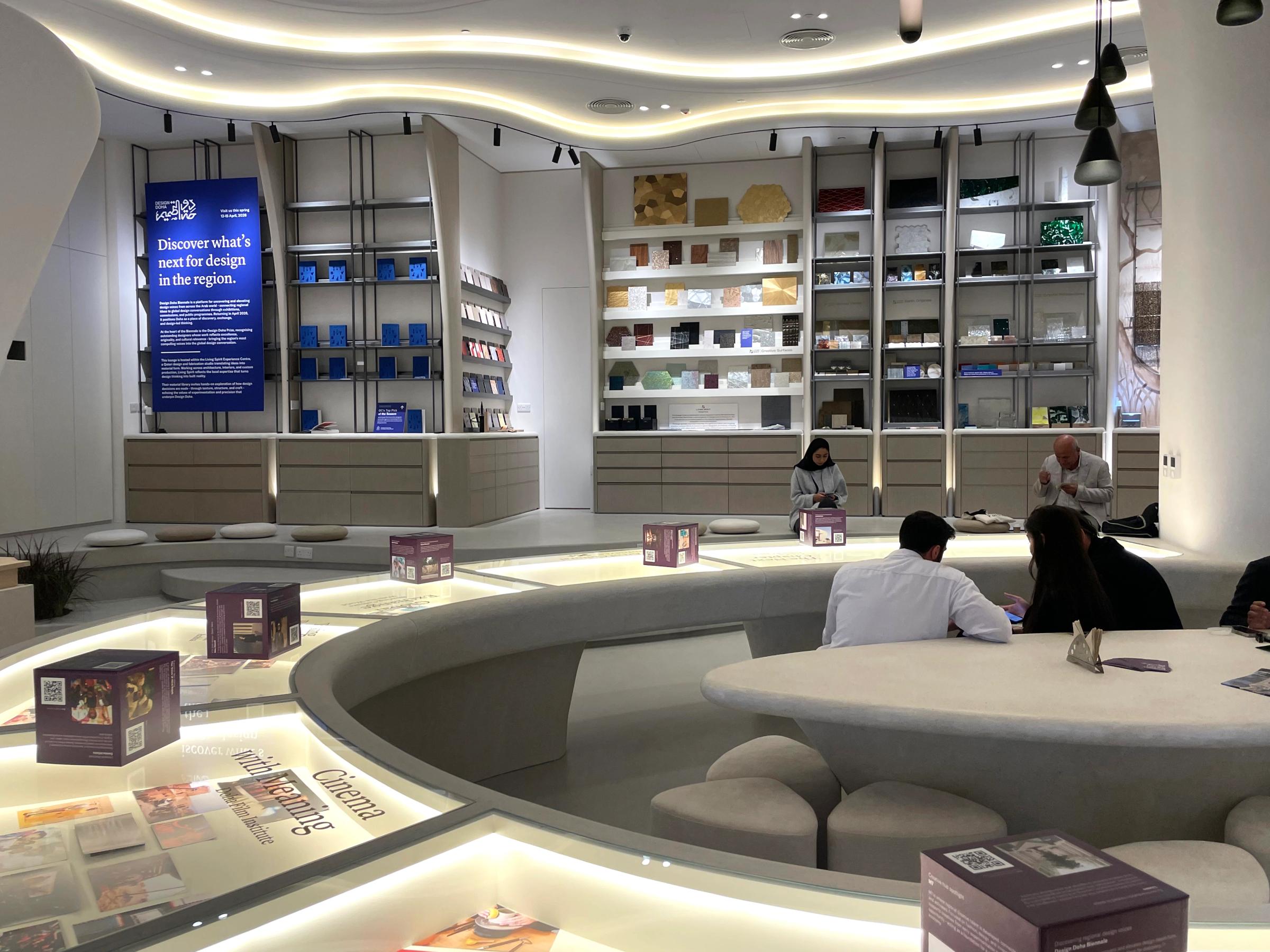
A small but telling detail: Living Spirit × Qatar Creates had a presence at the fair, signalling that local craft and design aren't treated as side programming but as part of the main cultural offer, visible in the same spaces as international blue-chip activity.

Across Msheireb and M7, the works extended beyond interiors. Courtyard installations referencing the majlis typology, a palm-frond pavilion, and outdoor immersive projects were conceived as active civic infrastructure rather than as displays. Notably: an artist-designed padel court, produced for the fair and intended for donation to the Shafallah Centre for persons with disabilities – a concrete example of event infrastructure converting into community infrastructure.

Cultural Infrastructure Beyond the Event The Fire Station continues to stand out as a model. A nine-month programme combining art-school structure with residency freedom, weekly critiques with international practitioners, and access to several major exhibition spaces. Bringing major artists into that ecosystem during the fair reinforced the institution rather than overshadowing it.

Grassroots and Emerging Ecosystems Meanwhile, in the Industrial Area, falling rents are creating conditions for grassroots initiatives. We visited GubGub Studios, an artist-run space operating within large, open-plan studios. For the opening, the exhibition expanded into makeshift tents and rooms, with projections and informal reading areas. It operates in partnership with neighbouring businesses and is building a self-sustaining local network. Access to large, affordable, central spaces is a rare urban moment. Doha currently has it.

Public Art as Daily Use Across Msheireb and the wider city, public art is visibly community-centred and widely used – integrated directly into pedestrian routes and gathering spaces rather than standing apart from them. There is a consistent dialogue between heritage and innovation, visible in a single gesture as small as public seating: from Joris Laarman Lab's 3D-printed stainless-steel fabrication, to Saloua Raouda Choucair's 1970s Bench, derived from the structure of Arabic poetry, to Shezad Dawood's modern playground – drawing on modernist architecture but rendered with a playfulness that draws children and adults alike.

Separate from Art Basel, Untitled 2025 (No Bread No Ashes) by Rirkrit Tiravanija – a communal bread-making programme led by local bakers from different cultural backgrounds – concluded during the same week. Launched in autumn, it formed part of a series of public activations leading up to the Rubaiya Qatar arts quadrennial this year. Smaller, participatory programmes sustaining engagement over time.

Knowledge, Participation and Long-Term Vision We also visited the Qatar National Library, which perhaps encapsulates the wider ambition. A hybrid of archive, digital hub and public workspace, its heritage collection sits sunken like an archaeological layer beneath contemporary study areas. A spatial statement: knowledge built visibly on history, past and future visually and conceptually intertwined. Continuing the forward-thinking approach, Media Majlis Museum at Northwestern University in Qatar celebrates innovation and fosters intellectual research through exhibitions and publications, currently exploring Gulf Futurism.

"We want to transform our petrochemical economy into a knowledge-based society." — H.E. Sheikha Al-Mayassa

Where Past and Future Meet in Public Doha's cultural strategy appears deliberate and patient. Institutions are long-term. Public works are embedded rather than symbolic. Temporary events leave traces. Grassroots initiatives are finding space. For cities thinking about transformation, the lesson isn't about scale – it's about alignment.