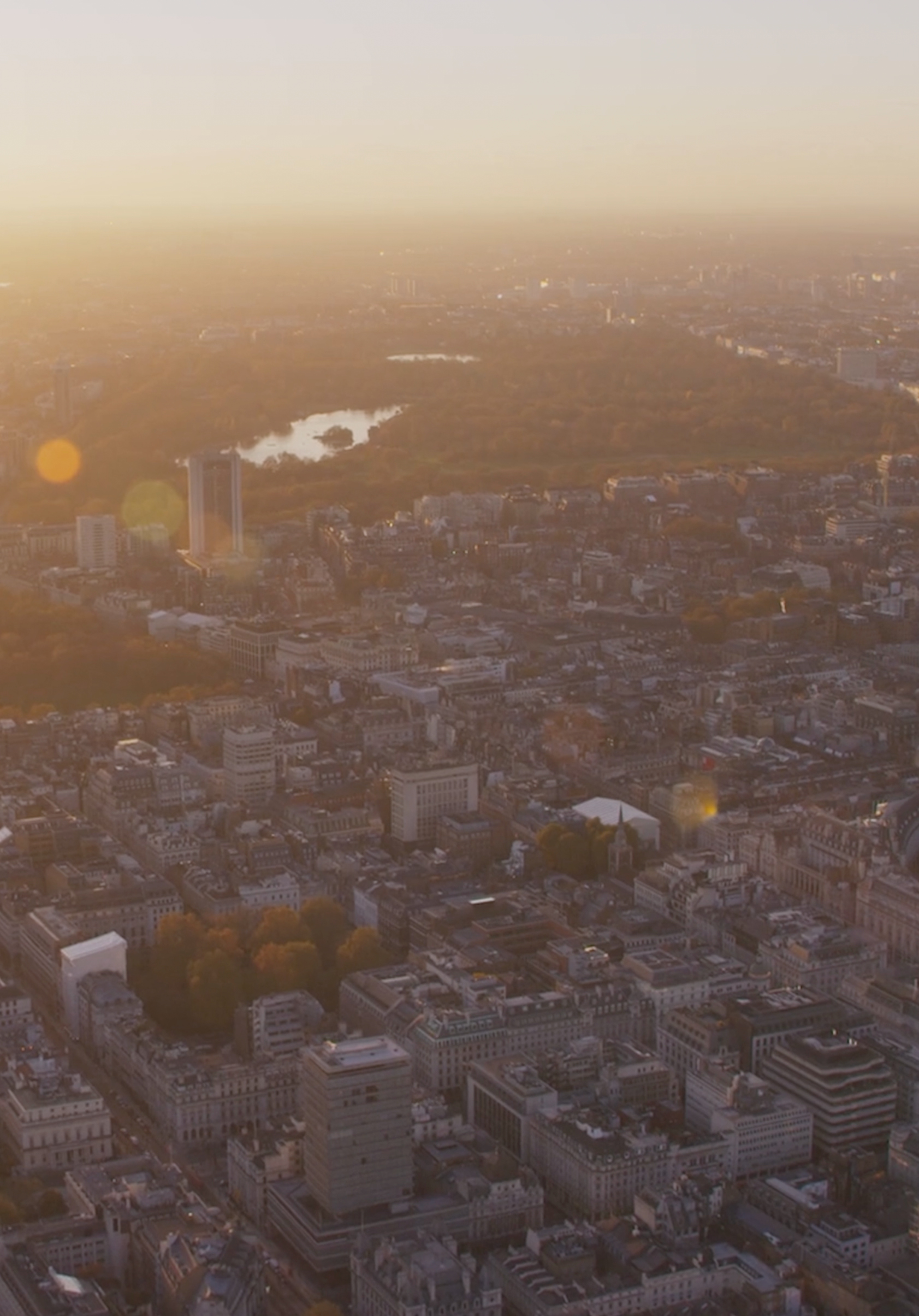
Place-writing: The Associate Edit

6 November 2025

Place-writing: The Associate Edit marks the first edition of a new Futurecity publication series, designed to highlight the ideas, practices, and international perspectives coming from the Futurecity Associates Network.

The publication features 12 original pieces spanning essays, conversations, interviews, thought pieces, and critiques, capturing a rich cross-section of contemporary cultural placemaking.

DOWNLOAD & READ Place-writing: The Associate Edit HERE →

Twelve Contributions from Artists, Curators, Strategists, Designers & Cultural Leaders

In this issue:

Alessandra Grignaschi (with George Kekatos) discusses producing Seed130 and the partnership between strategic vision and hands-on delivery in bringing the City of London’s meanwhile gallery to life.

Phil Dawson explores why every place must tell its story, showing how local narratives underpin meaningful and resilient placemaking.

Dr Cara Courage examines the diverse meanings of placemaking, advocating for reflective, community-rooted cultural practice grounded in care and creativity.

Fabienne Nicholas reflects on the Sharjah and Istanbul Biennales, analysing how both reimagine global exhibition models through care, slowness and South–South cultural exchange.

Rob Bowman explores how digital creativity can connect people with place through Sea for Yourself, deepening imaginative and emotional engagement with Plymouth’s ocean environment.

Rachel Hutchison looks at the role of design in climate resilience and social inclusion, showing how systemic approaches and co-design build shared ownership of change.

Vestalia Chilton reflects on Kensington + Chelsea Art Week and emphasises why people, their identities and stories must remain at the centre of cultural strategy and urban change.

Ben Stephenson questions whether graffiti is good for cities, tracing its shifting meanings and its impact on urban identity, resistance and place management.

Dr Jean Wainwright considers why artist interviews still matter, revealing how mediated dialogue captures artistic intention, voice and context.

Nicole Kanne contemplates the UAE’s evolving art scene, examining how its cultural landscape is expanding and repositioning itself internationally.

Dr Anna Marazuela Kim contributes a deeply personal thought piece on the renaissance of culture and its renewed relevance to civic life.

Ariane Koek invites readers to reconsider their sensory relationship to place, exploring how perception shapes cultural and urban experience.

Karolina Slup, the publication’s editor, reflects: “The contributions move fluidly between practice and reflection. We see it in the exploration of design as a civic act, where inclusion and climate resilience are treated as collective responsibilities. We see it in the reassertion of story and narrative as the foundation of genuine place identity. We see it in artists’ voices, and in the practices that insist on listening before acting. And we see it in the spaces between strategy and delivery, local and global, permanence and change, where the real work of creative placemaking often takes shape. Together, the pieces form a portrait of placemaking as less of a fixed method and more of a shared, evolving way of working - one that invites inner-reflection and collaboration.”

DOWNLOAD & READ Place-writing: The Associate Edit HERE →

A Celebration of 20 Years of Futurecity

The publication also serves as a marker of Futurecity’s evolution. Founder Mark Davy’s introductory text reflects on the agency’s growth and its mission to embed culture in the design and identity of cities worldwide:

Our work has always been about bridging the gap between culture and the built environment - translating artistic vision into civic value, and transforming urban projects into places with soul, story, and identity. The Futurecity Associates embody this ambition. Each brings their own expertise, voice, and perspective - from performance and public art to heritage, retail, design, and science - yet all share a belief that culture is the invisible architecture that holds our cities together. They are collaborators, provocateurs, and ambassadors for a more creative, human-centred urban future.”

The edition establishes Place-writing as a recurring platform for new ideas, with Issue 01 acting both as a record of the present and a provocation for future practice.

The publication was designed by Tim Sumner.