
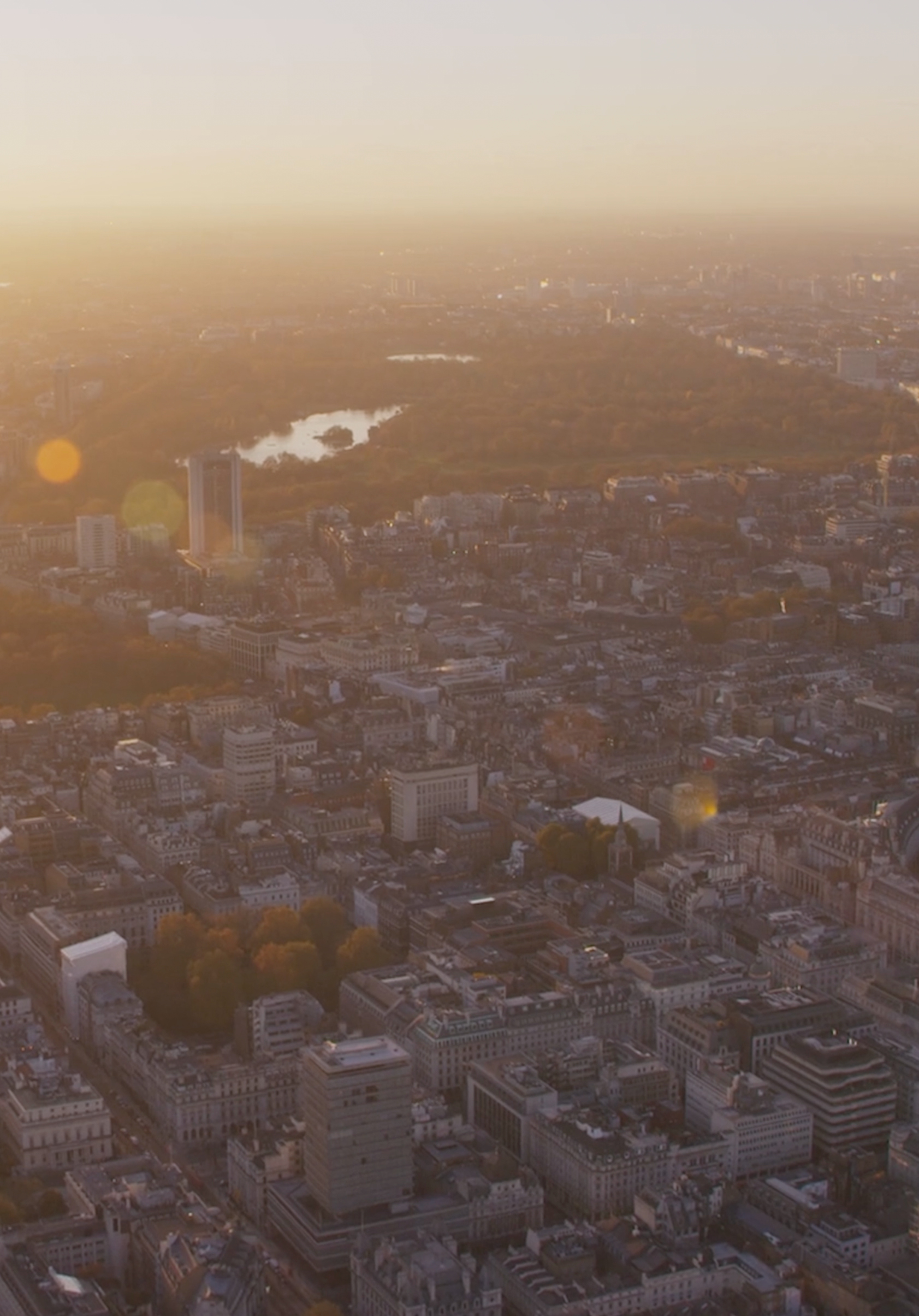

The Albert Embankment Cultural Strategy was developed to support the regeneration of a key stretch of the Thames at Vauxhall, encompassing The Corniche, Merano Residencies and 22–29 Albert Embankment. Positioned opposite Tate Britain and forming a gateway to the Nine Elms Opportunity Area, the strategy set out how culture could improve connectivity, animate the public realm and extend the South Bank’s cultural energy westwards.
The strategy proposed a coordinated programme of permanent and temporary commissions structured around three complementary strands: a Lead Artist approach to bring cohesion across multiple sites; design-led multi-use public realm furniture; and large-scale public artworks that invite participation and interaction. Clear governance and delivery frameworks were embedded to ensure long-term quality and stewardship.
Several elements of the strategy were subsequently realised. As part of a long-term partnership brokered by Futurecity between St James and the Royal College of Art, the Multi-Use Public Space Competition was launched in 2015. The winning scheme, Pipe Up, designed by a team of RCA MA Architecture students, was installed within the public realm. Drawing on Lambeth’s historic pottery industry and London’s nineteenth-century sanitary infrastructure, the fragmented ceramic pipe forms provide places to sit, recline and gather, combining heritage reference with contemporary public use.
The strategy also led to the commissioning of two major works by Random International, marking significant additions to London’s public art landscape. Self and Other explores identity and perception through layered glass and light, translating the human reflection into points of illumination that shift between abstraction and recognition as viewers move. Installed outdoors, the work encourages physical interaction and reflection on self-image and cognition.
Turnstiles presents a dense grid of bespoke, mechanically responsive turnstiles that visitors navigate like a maze. Stripped of digital mediation, the work explores the relationship between human movement and machine systems through purely analogue interaction. Familiar objects are transformed into an immersive environment that invites playful experimentation while questioning how networked systems shape behaviour.
Together, the Albert Embankment Cultural Strategy and its realised commissions demonstrate how a long-term, culture-led framework can deliver distinctive public spaces - integrating art, design, movement and interaction into the everyday life of a major riverside neighbourhood.
Images of site by Foster & Partners, photography of artworks by Noah Da Costa, Random International


