
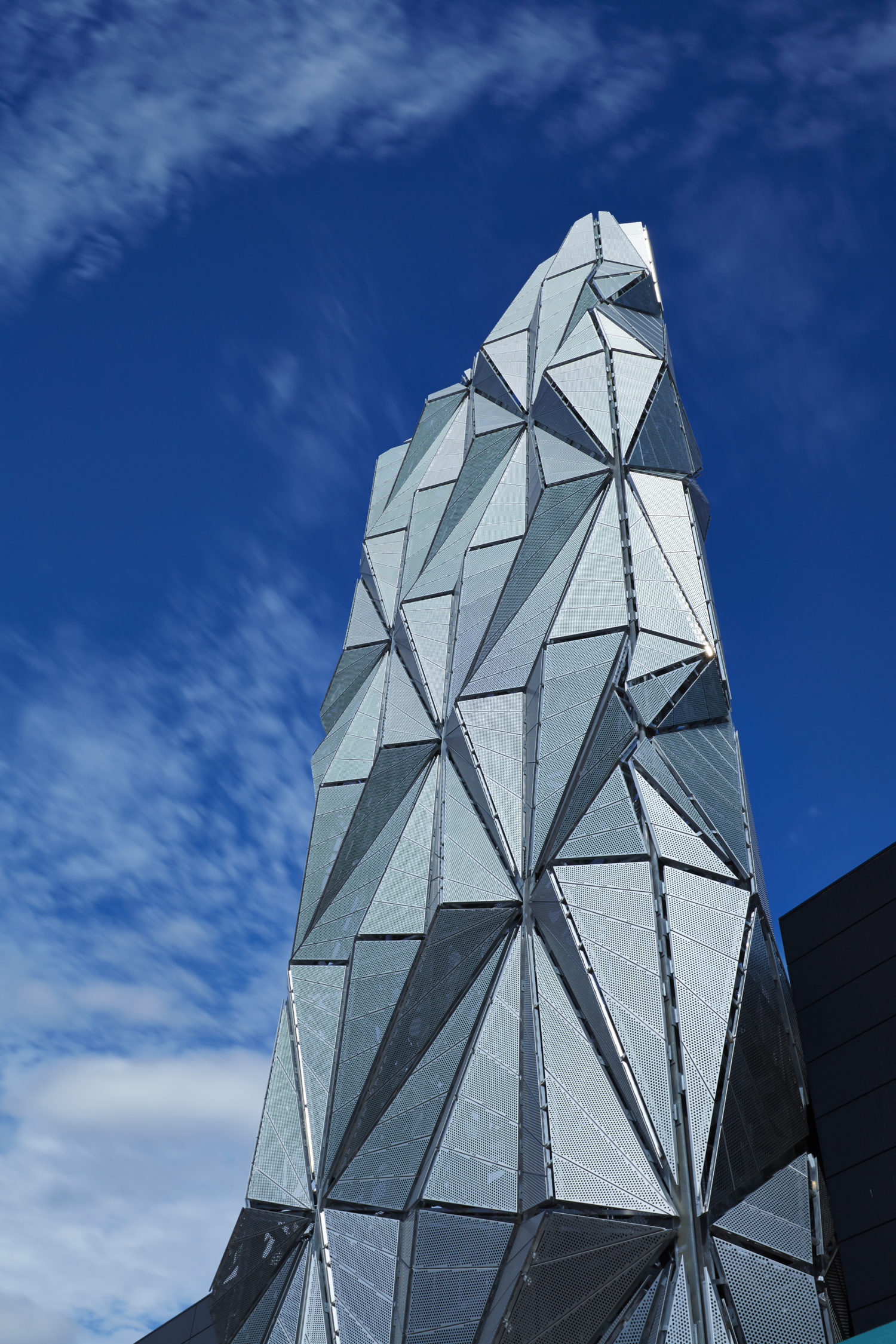
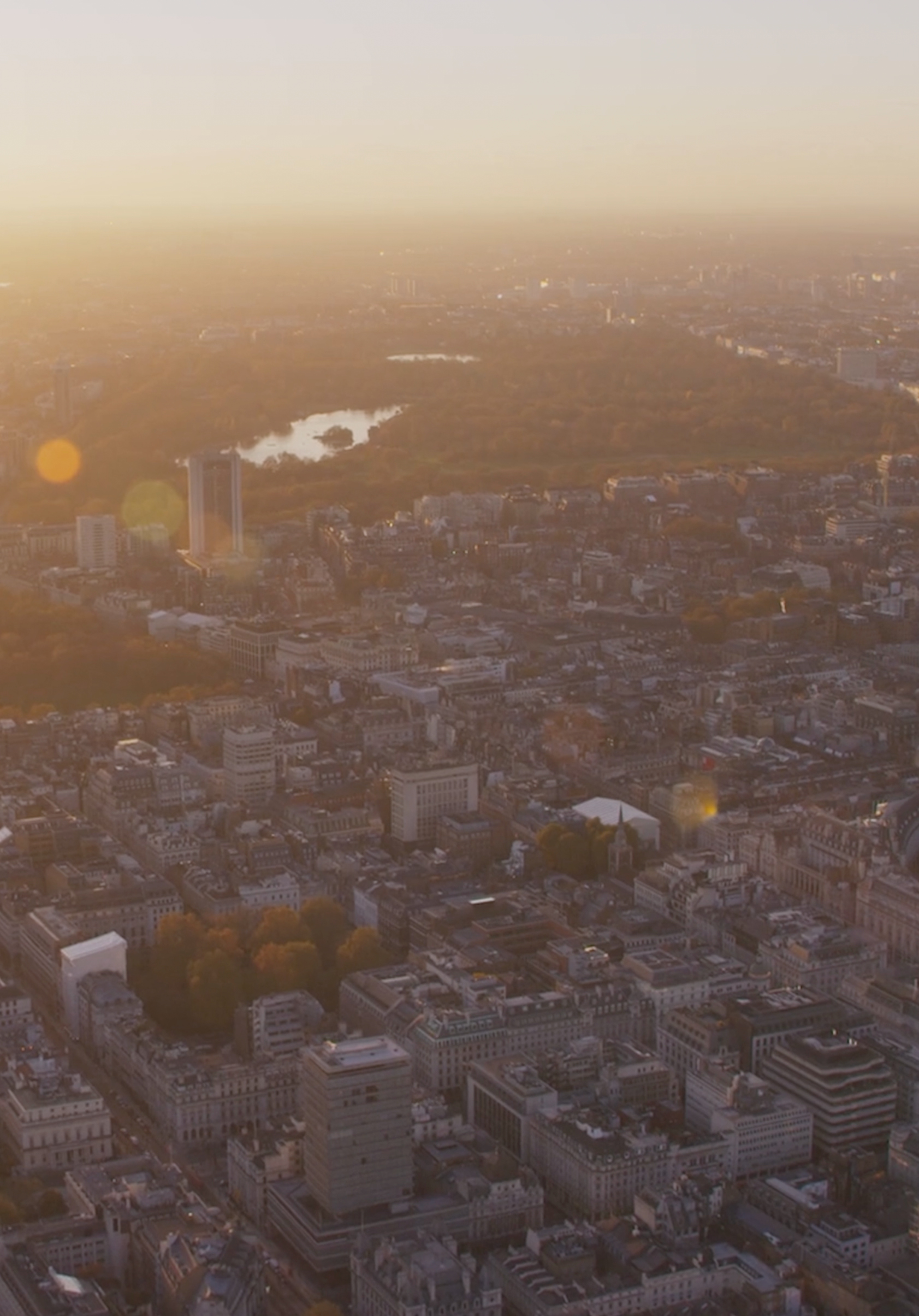

The cultural placemaking strategy for Convoys Wharf, commissioned by Hutchison Whampoa, supports the transformation a former Royal Dockyard into a mixed-use neighbourhood, using culture as a structuring element across the public realm, architecture and landscape. Drawing on Deptford’s industrial, maritime and social history, the approach embeds heritage and contemporary cultural practice into the everyday experience of the site.
Rather than treating culture as a standalone programme, the strategy established a joined-up framework integrating public art, wayfinding, landscape design, street furniture, lighting and temporary uses. It proposed an embedded cultural programme in which artists and designers could work alongside architects and engineers to shape functional elements of the public realm - offering a coordinated alternative to standardised urban components.
A key strand of the strategy centred on interpretation and storytelling. Historic assets - including the Olympia Building, dockyard structures, river edge and archaeological traces - were identified as anchors for cultural projects that would connect past, present and future through contemporary forms of making, materiality and narrative.
The strategy also set out opportunities for cultural and business partnerships, local collaboration and phased delivery over the lifetime of the development. Together, these elements formed a coherent placemaking framework intended to ensure Convoys Wharf developed a distinct identity rooted in local character, while remaining adaptable as the site evolved.
Site renders from Farrells via Hutchison Whampoa


