

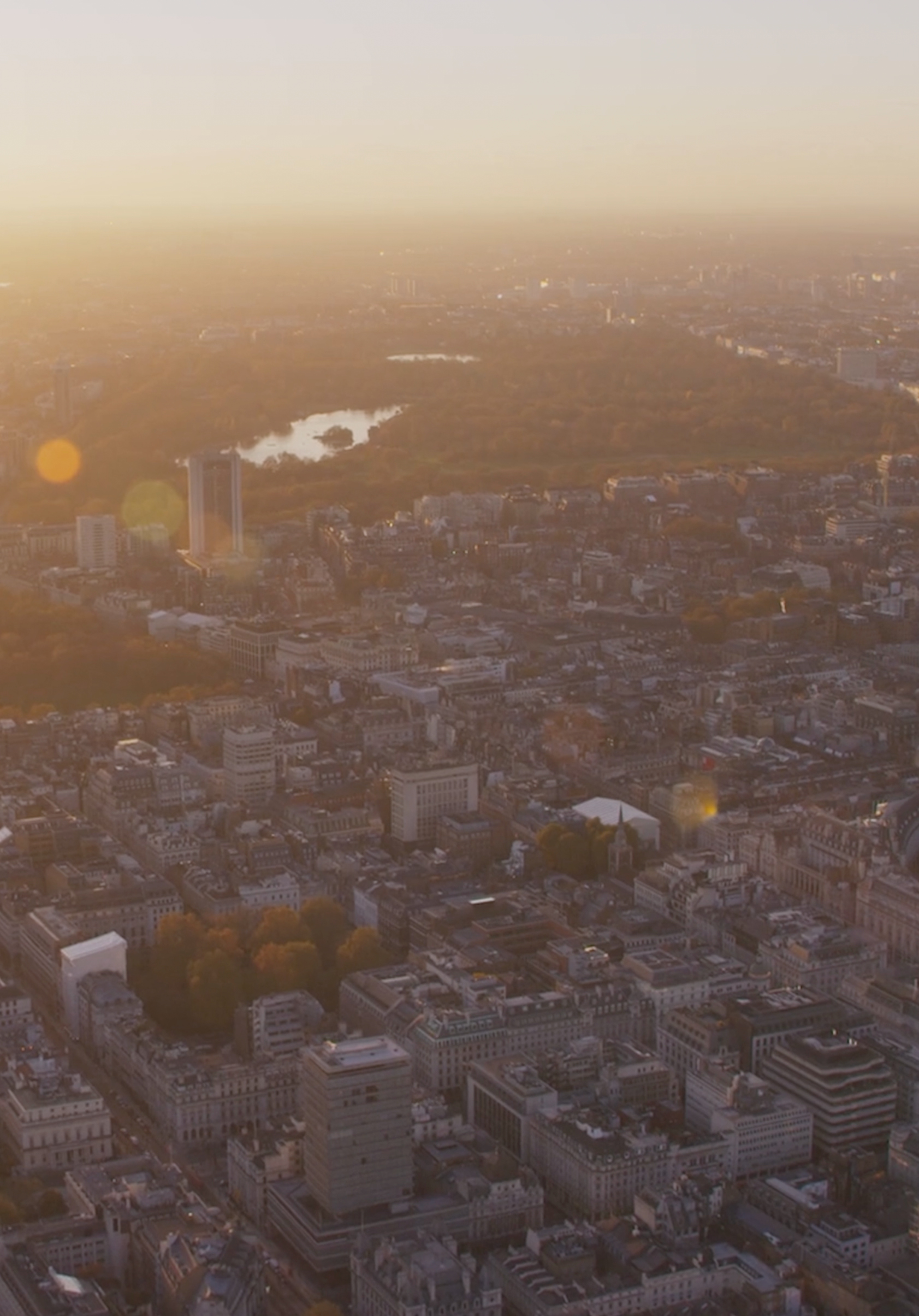

Futurecity developed a Cultural Strategy for Earl’s Court to guide the transformation of one of London’s most complex and historically resonant regeneration sites. The strategy was commissioned to ensure that culture played a formative role in shaping the future of the area, responding both to its global legacy as a place of spectacle, innovation and entertainment and to the needs of surrounding residential communities.
The strategy was informed by extensive contextual research, mapping Earl’s Court’s layered histories - from exhibition halls and international events to music, performance and collective experience - alongside its contemporary social, cultural and economic context. This research revealed the site’s unique capacity to operate simultaneously at local, city-wide and international scales, and highlighted the importance of reconnecting the development with neighbouring communities in Kensington, Chelsea, Fulham and West Brompton.
Futurecity’s approach positioned culture as a structuring framework for placemaking rather than a series of standalone interventions. A clear cultural vision and set of principles were established to guide development across the public realm, architecture and meanwhile uses. These principles focused on openness, participation, memory, experimentation and long-term cultural value.
The strategy identified a range of deliverable opportunities, including embedded public art, temporary cultural uses during construction, new cultural and performance spaces, and partnerships with artists, producers and cultural institutions. It also set out governance and stewardship models to support phased delivery and ensure cultural ambition could evolve over time.
Together, the Cultural Strategy provided a practical and imaginative framework for re-establishing Earl’s Court as a place of shared experience, creativity and encounter - honouring its past while supporting a new generation of cultural life.
Photography by Damien Everett, masterplan images via Farrells


