
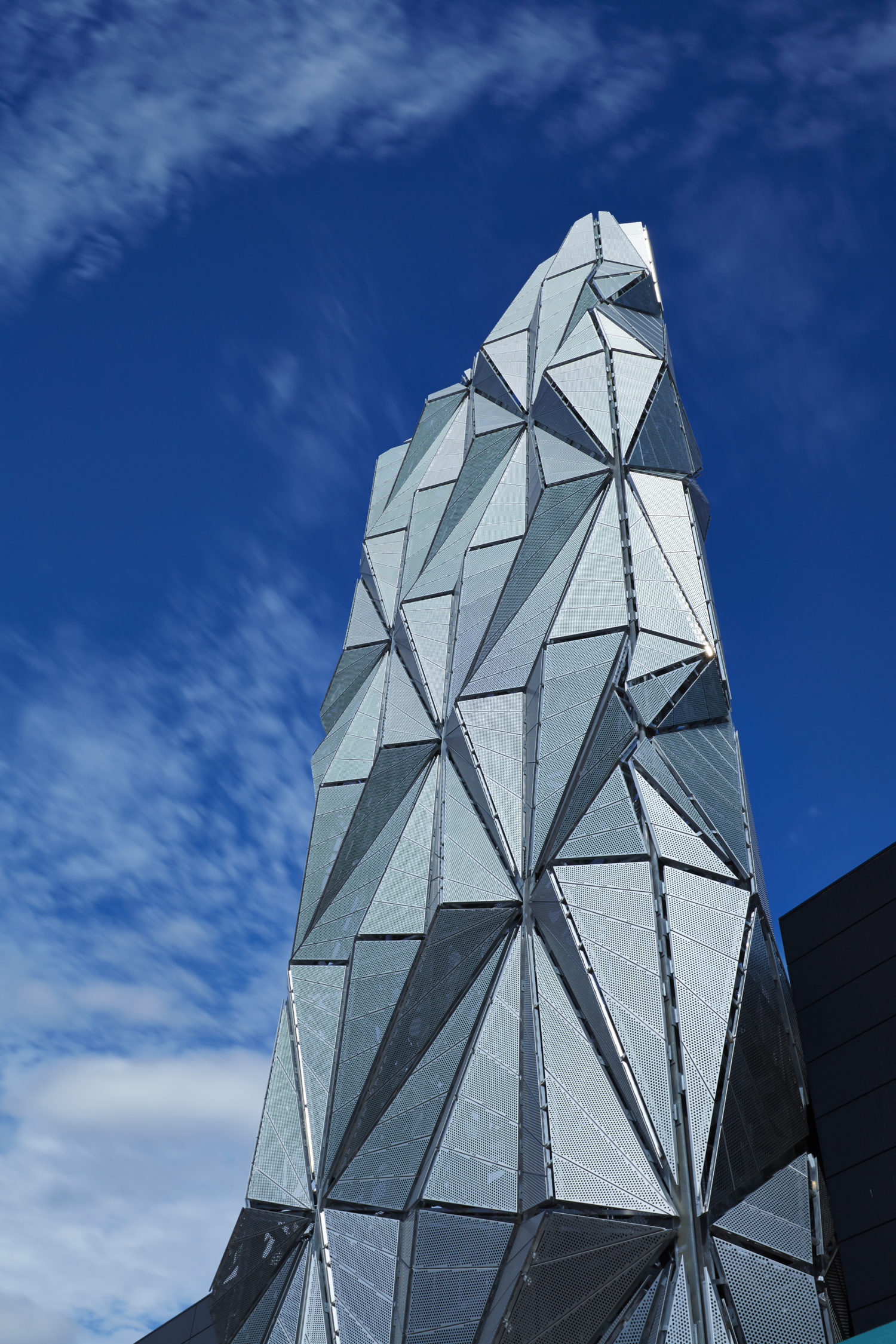
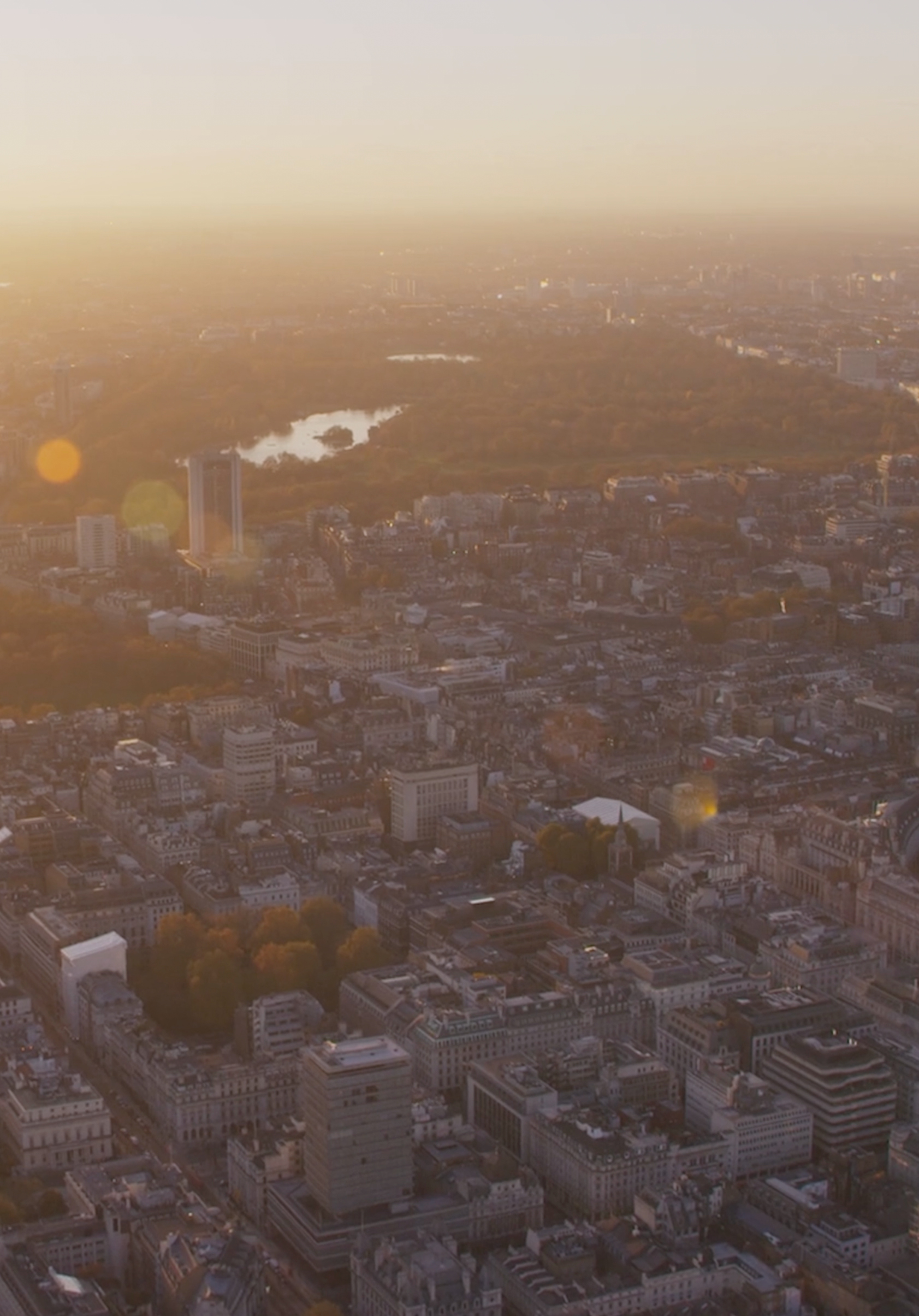

The Kew Bridge Cultural Strategy (2011) established a long-term framework for embedding art, culture and community life into the Kew Bridge West development. Developed by Futurecity in collaboration with St James, the strategy positioned culture as a core component of placemaking, shaping how public space, landscape and heritage would be experienced over time.
Conceived at an early stage of masterplanning, the strategy responded to the site’s industrial history and its central role in London’s water supply, drawing on the legacy of the water infrastructure. The ambition was to transform a brownfield site into a liveable neighbourhood with a distinctive cultural identity rooted in everyday use, shared space and local history.
Informed by detailed research, the strategy recognised Kew Bridge’s proximity to established cultural anchors and positioned the development within a wider emerging cultural quarter. It set out a clear approach for embedding culture into the public realm, architecture and landscape, rather than treating art as a standalone addition.
The strategy set out a coordinated programme of six site-specific cultural projects to be delivered across multiple phases, combining permanent artworks, embedded text trails, performance space and social infrastructure. From this framework, a number of commissions were realised, including Big Table by Alison Crowther, The Self-Playing Instrument of Water by Alice Oswald and the Crafted Text Trail by Alec Peever and Alyson Hallett, all of which interpret the site’s water heritage while encouraging social interaction and public engagement.
Delivered over time, the Kew Bridge Cultural Strategy demonstrates how a strategic, place-based approach to culture can animate public space, reinforce identity and support the long-term life of a new community.
Images of site via Berkeley Group; Photography by Ron Bambridge


